
Back-office agents that run on rails, not vibes.
The days of running operations by clicking around SaaS tools and spreadsheets are over. Pump Up turns messy workflows into governed AI agents with rules, approvals, audit trails, and human review built in.
What Pump Up does
AI for workflows that need rules, evidence, and review

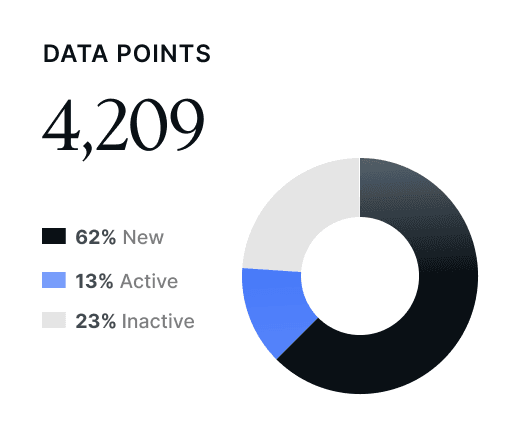
Back-office processes aren't random
Back-office work is not open-ended exploration. It follows policies, thresholds, terms, rules, approval paths, and exception logic.
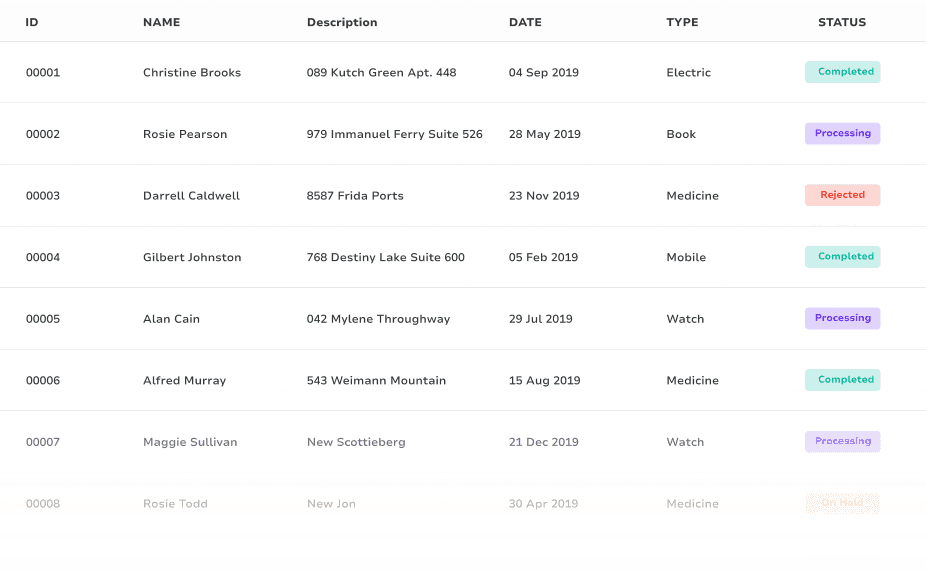
Enable AI to run complex processes
Our AI processing engine combines AI agents with rules, validation, governance, and human approval flows.
Resolve edge-cases with human review
Route sensitive or ambiguous cases to humans with context, reasoning, recommendations, and audit trails attached.


how we work
We turn messy workflows into governed agents
The cost of manual operations
How much is your manual workflow costing you?
Insurance Claims
Billing Reconciliation
Contract Operations
Account Operations
Commissions
Freight Claims
Returns & Disputes
AP Exceptions
Where Pump Up helps
Processes with fuzzy logic, rules, and exceptions
Claims and case processing
Automate high-volume case workflows that require intake review, document checks, policy logic, customer follow-up, approvals, and exception routing.
GTM and sales operations
Finance and billing operations
Why Pump Up
We automate workflows where outcomes matter.
Controlled execution
Agents follow your workflow: check inputs, apply rules, update systems, and route exceptions instead of improvising.
Log every action
Capture the context, decision path, reviewer, timestamp, system update, and reason so every workflow leaves an audit trail.
Route exceptions to humans
Send sensitive, ambiguous, or high-value cases to the right reviewer with context, reasoning, and a recommended next step.
Solutions and Results
Our experts partner with leaders to discover, automate, and operate agentic workflows.
Connect across systems
Work across your platforms: CRM, support desk, ERP, databases, internal APIs.
Add human capacity
Trained consultants to handle human in the loop workflows and validation.

Compare
Your ops workflow is not a chatbot
Claims, disputes, billing, approvals, reconciliations, and account operations need structured execution — not an open-ended agent that guesses its way through a process.
Generic agent platforms
Built for open-ended tasks
Depend on prompts instead of process logic
Up to 1000x slower
No human-in-the-loop operations
Leave edge cases, approvals, and QA to your team
Built for repeatable operational workflows
Converts policies, thresholds, and approvals into process logic
Executes the next step across your systems
Embeds export operators to build, run, and improve agents
Provides optional human-in-the-loop staffing
FAQ
Frequently asked questions
What kinds of workflows are a fit for Pump Up?
Pump Up is built for recurring operational workflows with volume, rules, system updates, approvals, and exceptions. Good fits include claims processing, sales ops requests, billing workflows, reconciliation, contract setup, account operations, and internal review queues.